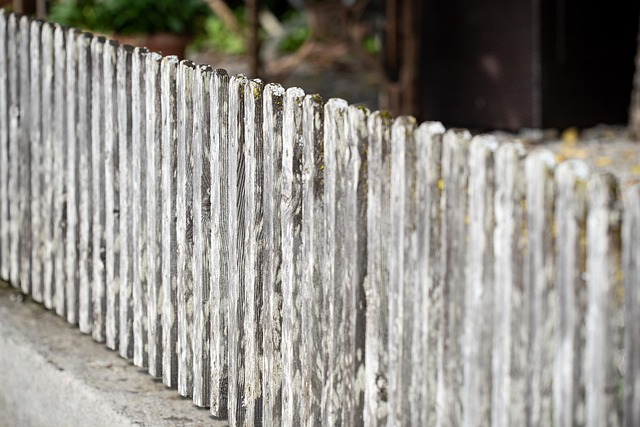
“Revitalize your wooden fence and transform your outdoor space with the power of staining and sealing—a crucial process that not only enhances aesthetics but also safeguards against the elements. This comprehensive guide is designed to empower homeowners and DIY enthusiasts alike to navigate the world of fence staining, offering a curated itinerary through its various aspects. We’ll delve into the benefits and diverse types of stains, equip you with the knowledge to prepare your fence optimally, and guide you in selecting the perfect formula. Furthermore, we’ll uncover expert application techniques, ensuring exceptional results that will stand the test of time.”
- Understanding Fence Staining: Benefits and Types
- Preparing Your Wooden Fence for Staining
- Choosing the Right Stain and Sealer
- Application Techniques for Optimal Results
Understanding Fence Staining: Benefits and Types
Understanding Fence Staining: Benefits and Types
Wooden fences are a popular choice for many homeowners due to their natural beauty and versatility. However, maintaining them can be a challenge. That’s where fence staining and sealing come in as game-changers. These processes not only enhance the aesthetic appeal of your wooden fence but also protect it from the elements, ensuring longevity and minimizing maintenance efforts.
Benefits of Fence Staining:
Staining a wooden fence offers numerous advantages. Firstly, it deepens and enriches the color of the wood, transforming an ordinary fence into a striking focal point in your outdoor space. This can increase your home’s curb appeal significantly. Secondly, and more importantly, staining provides a protective barrier against water, UV rays, and other environmental factors that can cause wood to rot or fade. A good stain forms a shield, preserving the fence’s structural integrity for years to come. Different types of stains allow you to choose between semi-transparent options that highlight the natural grain of the wood and solid colors that offer maximum protection.
Types of Fence Stains:
The market offers two primary types: semi-transparent and solid. Semi-transparent stains, also known as water-based or low-VOC (volatile organic compound) stains, penetrate the wood, enhancing its natural color while providing some protection. They are easy to apply and often quick-drying, making them popular for do-it-yourself projects. Solid colors, on the other hand, form a thick film that blocks out moisture and UV light, offering superior protection but concealing the wood’s natural beauty. These stains require more preparation and application time, typically necessitating professional services.
Remember, choosing the right stain depends on your desired look and how much protection you need. Regular reapplication, generally every 1-3 years, ensures optimal results.
Preparing Your Wooden Fence for Staining
Preparing your wooden fence for staining is a crucial step in ensuring a long-lasting, visually appealing finish. Before applying any stain or sealer, thorough cleaning and repair are essential to create a smooth surface that will evenly absorb the product. Start by power washing the fence to remove built-up dirt, mold, and mildew. This process not only cleans the wood but also helps to roughen the surface slightly, allowing for better adhesion of the stain.
Next, inspect the fence carefully for any damaged or rotten sections. Repair these areas using replacement boards or a suitable repair compound, ensuring that all cracks and holes are filled and smoothed out. Sanding is another critical step; use fine-grit sandpaper to even out the surface and create a rough texture that promotes better stain penetration. Pay special attention to corners, edges, and intricate details to achieve a uniform finish.
After cleaning, repairing, and sanding, it’s important to check for any remaining debris or dust. A quick wipe-down with a damp cloth ensures that the wood is free from particles that could interfere with the staining process. This final preparation step completes the necessary groundwork, making your wooden fence ready for application of the chosen stain or sealer.
Choosing the Right Stain and Sealer
When it comes to protecting and enhancing your wooden fence, choosing the right stain and sealer is a crucial step. The ideal combination will not only extend the life of your fence but also bring out its natural beauty or desired color. Let’s explore how to make this important selection for your specific needs.
First, consider the type of wood you have. Different woods react differently to stains. For example, cedar and redwood are naturally resistant to rot and insects, so they may require a lighter stain to highlight their existing beauty. On the other hand, untreated pine or oak fences might demand a more robust stain to protect against elements. Choosing a water-based stain is generally recommended for easier application and less odor, while oil-based stains penetrate deeper to enhance wood grain but can be more challenging to clean up.
Next, think about your desired outcome. Do you want to emphasize the natural look of your wood or transform it with a vibrant new color? Stains range from clear to solid colors, each offering varying levels of protection and aesthetic appeal. A transparent stain allows the wood grain to show through while providing some protection, while a solid color completely obscures the grain but requires more frequent reapplication. For those seeking a unique look, consider combining a stain with a sealer that offers both beauty and durability.
Furthermore, always select a high-quality sealer designed for exterior use. A good sealer not only provides extra protection against the elements but also helps your stain last longer. Polyurethane and acrylic sealers are popular choices, offering varying levels of durability, sheen, and color options to complement your chosen stain.
Application Techniques for Optimal Results
Fence staining and sealing are essential processes for maintaining the beauty and longevity of wooden fences. When applied correctly, these techniques protect wood from the elements, prevent rot, and enhance the fence’s aesthetic appeal. The key to optimal results lies in understanding and mastering application techniques tailored to each step of the process.
The first step is surface preparation. Before staining or sealing, it’s crucial to clean the fence thoroughly to remove dirt, mildew, and loose debris. Power washing is a common and effective method for achieving this. Once the fence is dry, repair any damaged areas, fill in cracks, and ensure all surfaces are even. Proper surface preparation ensures the stain or sealer adheres well and provides an even finish.
Choosing the right products is equally important. Select high-quality stains and sealers designed specifically for wooden fences. Different types of wood may require different formulations, so always check product labels and follow manufacturer instructions. Stains enrich the wood’s natural color while sealers create a protective barrier against water, UV rays, and other environmental factors.
Application technique is where expert knowledge shines. For optimal results, use a brush or roller for staining, ensuring even coverage. Start from the top and work your way down to avoid overlapping. For larger areas, a sprayer can be more efficient but requires proper ventilation. Sealers are typically applied with a broad stroke, following the wood grain, and allowing each coat to dry before adding another. Multiple thin coats are better than few thick ones for even protection without leaving visible brush strokes.
About the Author
Meet Sarah Johnson, a renowned wood fencing expert and lead consultant at ProFence Staining. With over 15 years of experience, she holds the prestigious Certified Fence Professional (CFP) designation from the International Association of Fence Contractors. Sarah is a regular contributor to the industry journal Fencing & Decking and actively shares her expertise on LinkedIn. Her specialization lies in protective staining and sealing techniques for wooden fences, ensuring longevity and aesthetic appeal.
Related Resources
Here are 5-7 authoritative resources for an article about Fence Staining and Sealing for wooden fences:
- Home Depot (Retailer’s Guide): [Offers practical DIY guides including fence staining and sealing techniques.] – https://www.homedepot.com/c/fencing-stain-sealer-guides
- The Paint Store (Industry Expert): [Provides expert advice and how-to articles on various painting projects, including fences.] – https://www.thepaintstore.com/fence-staining-guide
- National Park Service (Government Resource): [Offers guidelines for maintaining historical wooden fences, preserving their aesthetic and structural integrity.] – https://nps.gov/history/resources/maintaining-wooden-fences
- Stanford University Department of Civil Engineering (Academic Study): [Publishes research on wood preservation methods, offering insights into the science behind staining and sealing.] – https://web.stanford.edu/~jsc1/WoodPreservation.html
- Environmental Protection Agency (EPA) (Government Portal): [Provides information on environmentally friendly and safe wood treatment products for fences.] – https://www.epa.gov/wood-preservatives
- This Old House (Home Improvement Magazine): [Offers detailed tutorials and expert tips on a range of home improvement projects, including fence staining.] – https://www.thisoldhouse.com/fence-staining-guide
- Better Homes and Gardens (Lifestyle Magazine): [Features attractive photo galleries and step-by-step instructions for various fencing projects, with a focus on aesthetics and durability.] – https://www.bhg.com/fencing/